A profound journey of discovery

Molana is more than just a wine brand; it represents a profound journey of discovery
Over the past four decades, the production of wine in Iran had come to a halt, and the absence of modern-style wines created an intriguing blank canvas for exploration.
However, beneath the surface lies a captivating truth: Iran possesses a millennial history of viticulture, making it one of the birthplaces of this ancient craft, a distinction it shares with its neighboring country, Armenia.

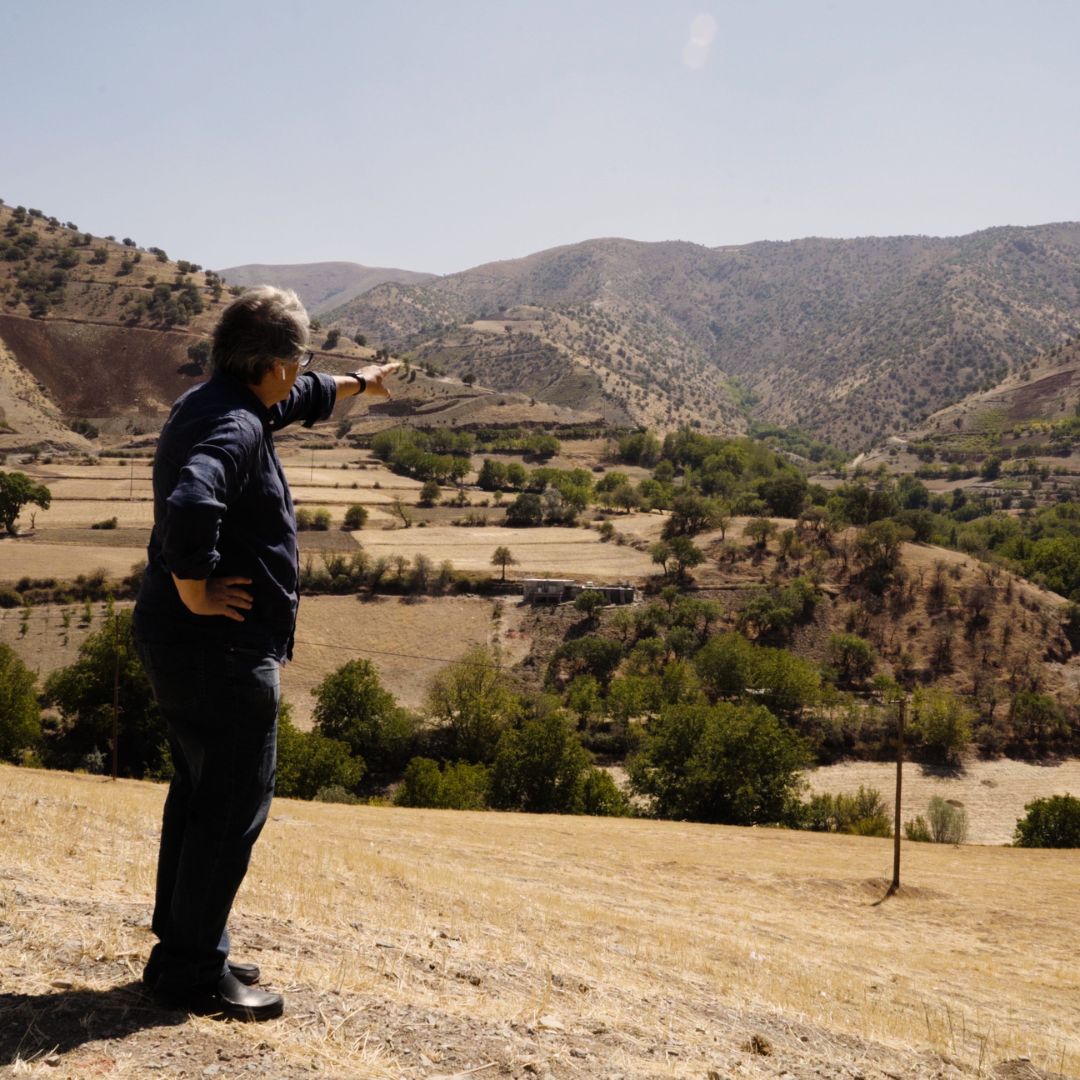
“Bring the pure wine of love and freedom. But sir, a tornado is coming. More wine, we’ll teach this storm A thing or two about whirling.”
Rumi
Through Molana, we pay tribute to Rumi’s wisdom, his legacy of peace and harmony
We strive to create wines that embody his spirit—wines that not only delight the senses but also evoke a sense of transcendence and connection to something greater.
Just as Rumi’s words carry a mystical appeal and bold poetic forms, our wines echo his audacious spirit, inviting you to partake in a sensory journey that transcends boundaries, cultures, and generations.
The name bestowed upon this exquisite wine carries a profound significance, paying homage to the legendary Persian poet, Rumi, who is also known as Molana or ‘our teacher’.
Rumi’s influence extends far beyond the boundaries of nations and transcends the divisions of ethnicity. His words and wisdom have touched the hearts and souls of individuals around the globe, unifying them under a shared quest for inner peace, harmony, and a world devoid of hostility and animosity.
History Of Iranian Winemaking
5000 BC
Persian Empire
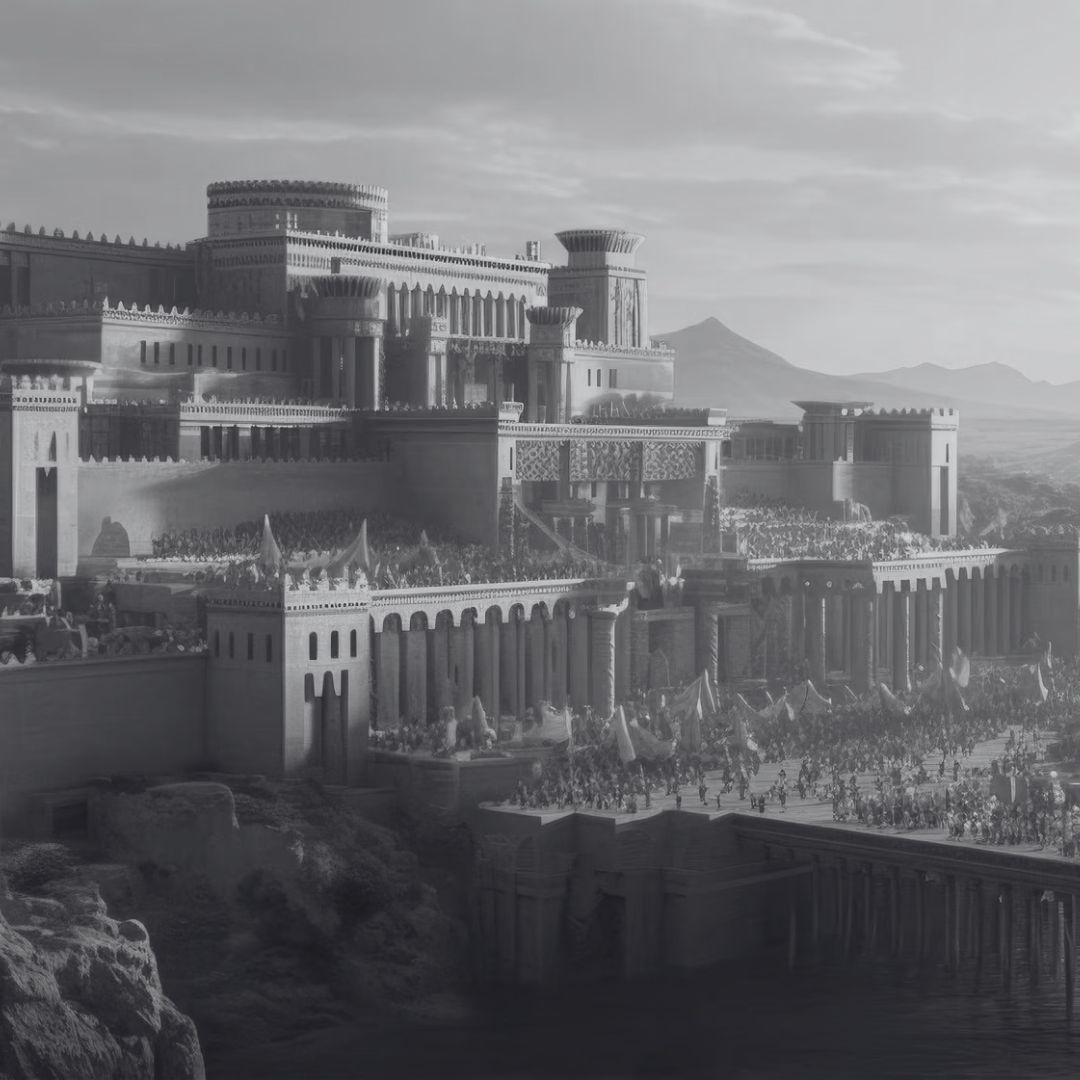
The history of Iranian wine-making dates back thousands of years to ancient Persia, with evidence of grape cultivation and wine production dating to around 5000 BC.
Persian wine was highly regarded in the Persian Empire, and it played a significant role in cultural and religious practices. It was often associated with celebrations and rituals.
5550-330 BC
Classic Era
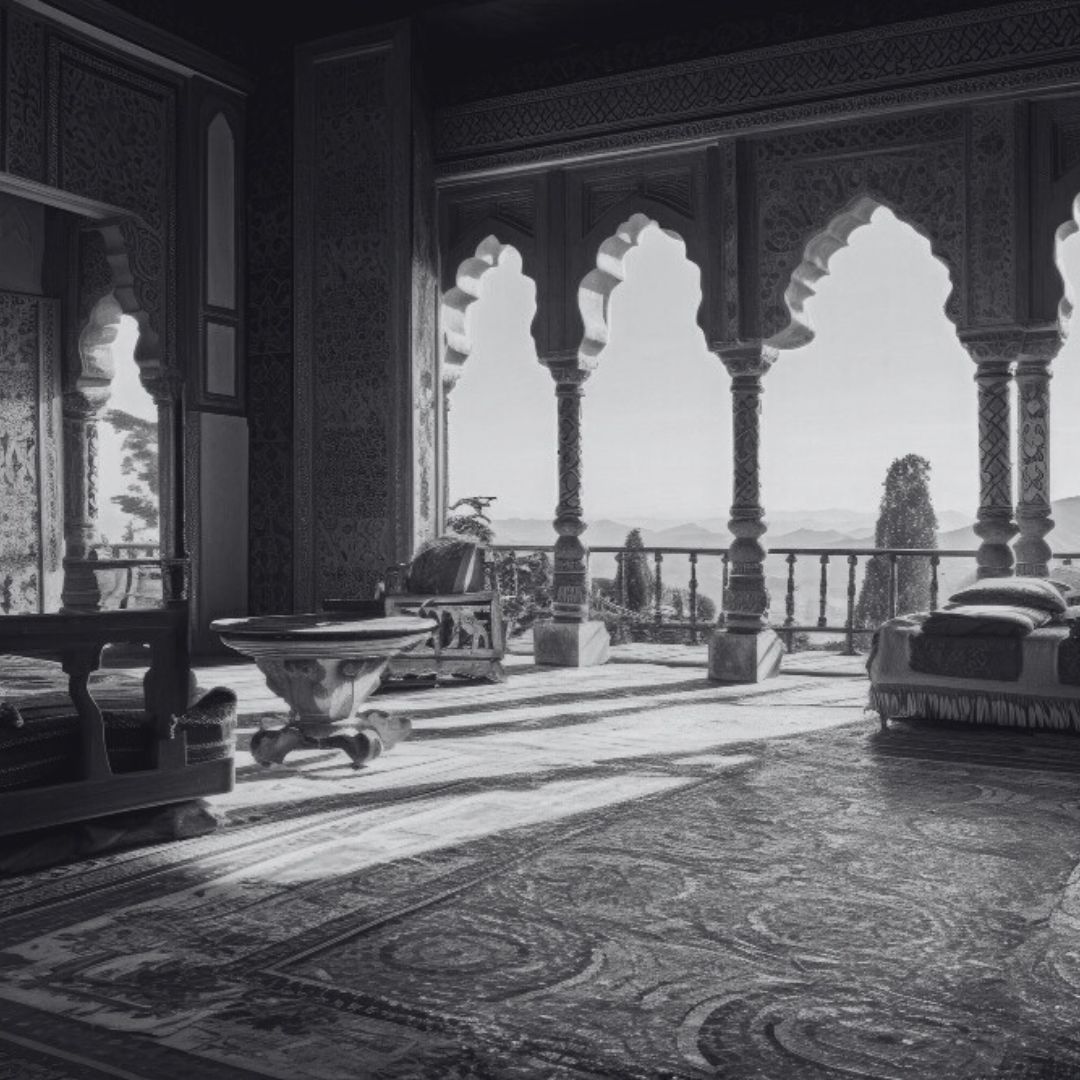
During the classic era of Persian history, particularly under the Achaemenid Empire (circa 550-330 BC), wine-making and viticulture flourished. The Persian kings, including Cyrus the Great and Darius the Great, were known for their appreciation of wine.
Persian wines gained recognition and popularity beyond the empire’s borders, spreading to regions such as Greece and the Mediterranean.
1979
1979 Revolution

The Iranian Revolution in 1979 marked a significant turning point in the history of wine-making in Iran. The new Islamic government that came to power imposed strict religious laws, including a ban on the production and consumption of alcoholic beverages, including wine.
As a result of the revolution, many wineries were either closed down or repurposed, and the production of wine was essentially halted in Iran.
1990’s
New Approach

In the 1990s, there was a shift in Iran’s approach to wine-making. While it remained illegal for Muslims to consume alcohol, the government allowed non-Muslim religious minorities, such as Christians and Jews, to produce and use wine for religious ceremonies.
Some small-scale wineries catering to these religious minorities began to operate discreetly.
Present
Current Winemaking From Iran

In the 1990s, there was a shift in Iran’s approach to wine-making. While it remained illegal for Muslims to consume alcohol, the government allowed non-Muslim religious minorities, such as Christians and Jews, to produce and use wine for religious ceremonies.
Some small-scale wineries catering to these religious minorities began to operate discreetly.
